Algorithmic Pattern Recognition in Mobile Platforms Refines Wagering Lines for Blended Poker Sessions and Endurance Races
David Bennett · Aug 15, 2026
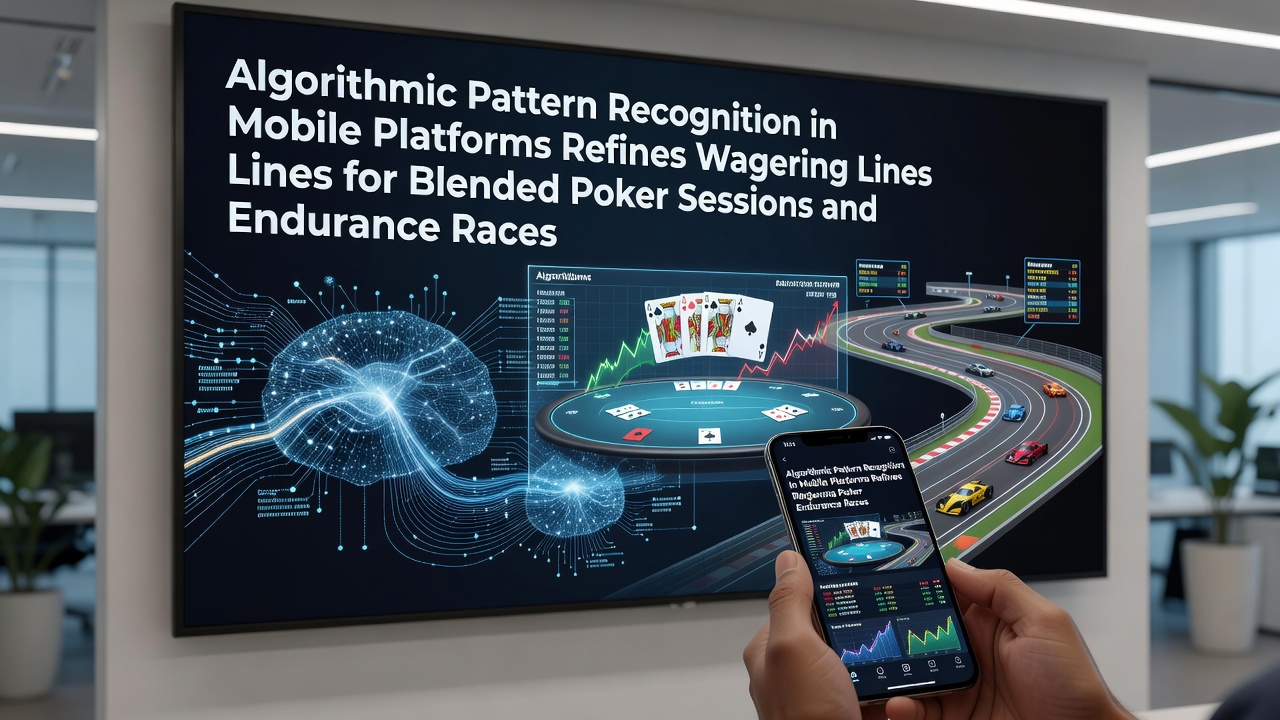
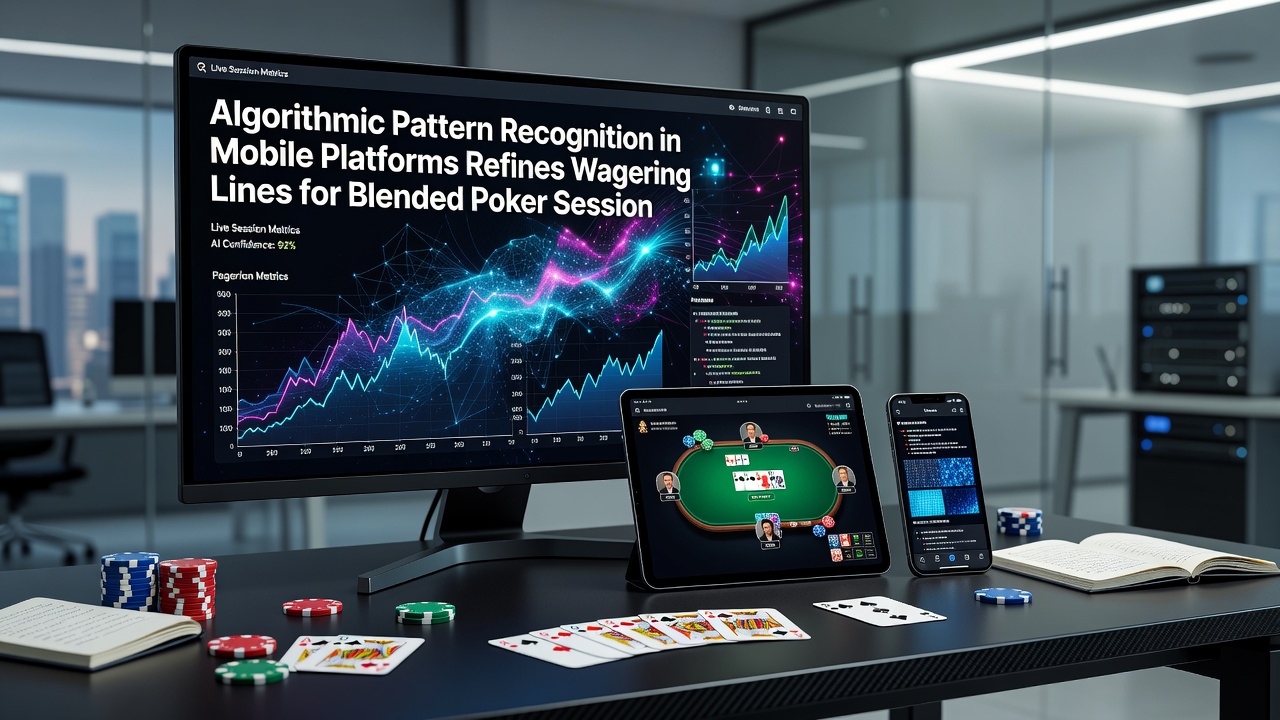
Algorithmic Pattern Recognition in Mobile Platforms Refines Wagering Lines for Blended Poker Sessions and Endurance Races
Algorithmic pattern recognition systems on mobile platforms process real-time data streams from poker sessions and endurance races to adjust wagering lines with greater precision than earlier manual methods allowed. These systems examine sequences of player decisions in poker alongside performance metrics from events such as ultra-marathons and cycling tours, then recalibrate odds based on detected correlations. Developers integrated these capabilities into apps that support simultaneous participation in both activities, creating blended environments where users shift between card tables and race tracking within single interfaces.
Data Inputs That Drive Pattern Detection
Mobile applications collect hand histories from poker networks, heart rate readings from endurance athletes, and historical outcome records to build models that identify recurring sequences. Engineers at platform providers feed these inputs into machine learning frameworks that flag anomalies, such as a poker player's shift toward conservative bets after prolonged endurance viewing periods. Studies from academic institutions in Australia show that such combined datasets improve line accuracy by capturing interactions that isolated analysis overlooks, and operators in Canada report similar gains when they apply the same methods to regional events.
Platforms update models continuously as new data arrives during live sessions. For instance, an algorithm might detect that endurance racers who maintain steady pacing through the first half of a competition tend to correlate with specific poker hand selection patterns among users following both feeds at once. This linkage allows wagering lines to shift within seconds rather than minutes, and mobile hardware handles the computation locally before syncing with central servers.
Integration Across Poker and Endurance Formats
Blended wagering environments combine poker tournament structures with endurance race betting windows on the same device screen. Users place bets on race segments while participating in poker hands, and pattern recognition engines track how attention splits affect decision quality in both domains. Research conducted at European universities indicates that algorithms trained on multi-activity datasets reduce variance in predicted outcomes compared with single-sport models, because they account for cognitive load factors that emerge when users toggle between games and races.
Operators introduced these tools progressively through 2025 and into 2026, with several platforms rolling out refined versions ahead of major endurance calendars. In August 2026, updates to certain apps incorporated additional biometric streams from wearable devices, allowing finer adjustments to lines on long-distance events that overlap with evening poker sessions. The systems distinguish between recreational and professional patterns by analyzing session duration, bet sizing consistency, and response times to race updates.
Regulatory and Technical Considerations
Regulatory bodies in multiple regions review how algorithmic adjustments affect fair play standards. The Nevada Gaming Control Board examines whether real-time line changes based on pattern recognition require additional transparency disclosures to participants. Meanwhile, industry reports from organizations in Asia highlight technical standards for data encryption that protect user activity logs during cross-activity sessions. These frameworks emphasize audit trails that document every line revision triggered by the algorithms.
Technical implementations rely on edge computing to minimize latency, since endurance race conditions change rapidly and poker hands resolve in seconds. Engineers optimize models to run on consumer-grade mobile processors while maintaining accuracy thresholds set by platform operators. One documented case involved an app that adjusted poker pot odds after detecting a cluster of users increasing endurance race stakes during the final stages of a triathlon, revealing a shared risk tolerance pattern across the blended audience.
Future Developments in Mobile Algorithmic Systems
Continued refinement of pattern recognition focuses on expanding input categories to include environmental data such as weather impacts on endurance events and table dynamics in poker rooms. Developers test versions that incorporate historical records from both domains into unified predictive engines, and early deployments show reduced discrepancies between projected and actual wagering outcomes. Trade associations in North America track adoption rates among operators, noting that platforms offering these integrated tools report higher session retention among users who engage with multiple event types simultaneously.
Hardware advances in mobile sensors support richer data collection, which in turn strengthens the algorithms' ability to isolate meaningful signals from noise. Observers note that regulatory updates scheduled for late 2026 may introduce requirements for periodic model validation against independent datasets to ensure ongoing compliance across jurisdictions.
Conclusion
Algorithmic pattern recognition continues to evolve as a core component of mobile platforms that support blended poker and endurance race wagering. The technology processes combined data streams to produce adjusted lines that reflect detected behavioral and performance patterns, and operators apply these capabilities within existing regulatory structures. As hardware and modeling techniques advance, the systems maintain focus on accuracy and auditability while serving users who navigate both activity types in single sessions.