Atmospheric Variables Redefining Risk Assessment Protocols in Hybrid Wagering Environments for Equine and Esports Activities
David Vogel · Aug 12, 2026
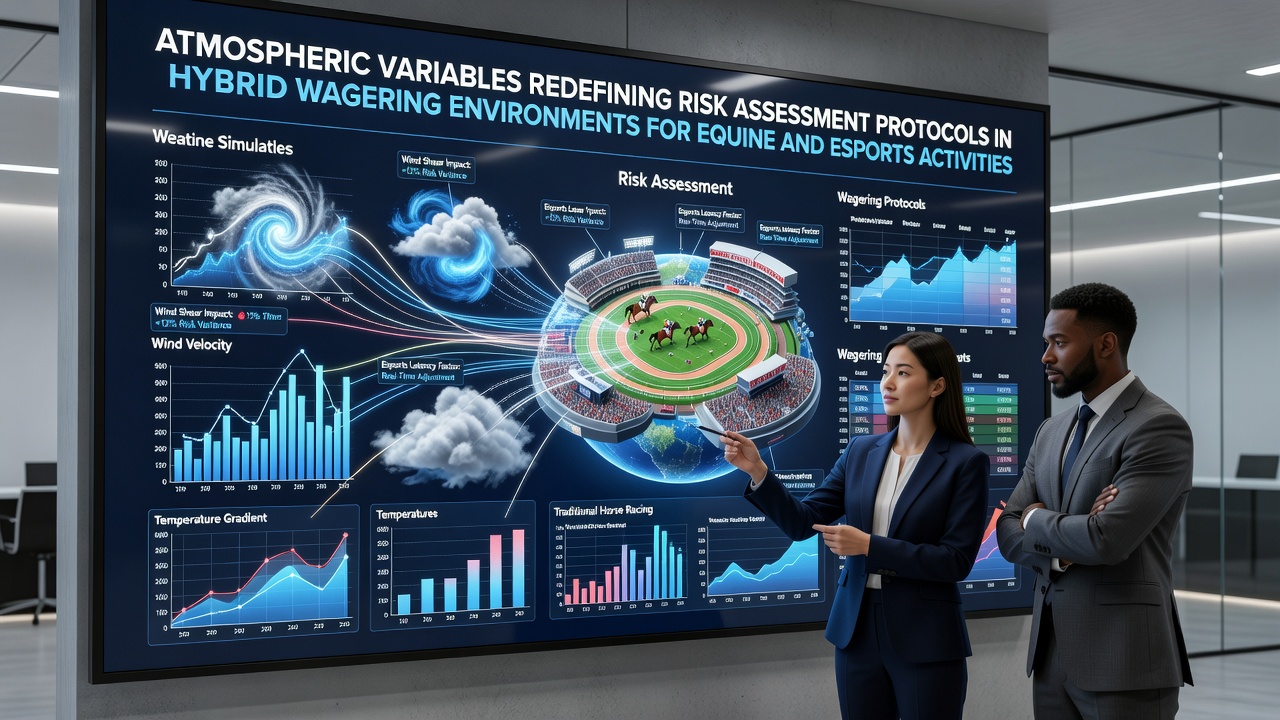
Atmospheric Variables Redefining Risk Assessment Protocols in Hybrid Wagering Environments for Equine and Esports Activities
Atmospheric conditions have started reshaping how operators calculate risk in platforms that blend equine wagering with esports events, and data collected through 2026 demonstrates measurable impacts on both physical performance metrics and digital infrastructure stability. Researchers at institutions tracking global climate patterns note that variables such as temperature fluctuations, humidity levels, wind speed, and barometric pressure now feed directly into algorithmic models used by hybrid betting systems.
Equine Performance Data and Atmospheric Inputs
Horse racing outcomes respond to changes in air density and temperature gradients, according to records compiled by multiple track operators in North America and Australia during the first half of 2026. When ambient temperatures rise above 28 degrees Celsius, muscle fatigue rates increase in thoroughbreds, and studies from veterinary science departments show a corresponding adjustment in probability distributions that operators apply to race outcomes. Wind direction and speed further influence track surfaces, creating variations in moisture retention that alter footing consistency, while barometric pressure drops often precede weather fronts that operators link to reduced stamina in longer-distance events.
Operators have begun incorporating real-time feeds from regional meteorological networks into their risk engines, allowing dynamic recalibration of odds and exposure limits. One dataset released in August 2026 by an Australian research consortium illustrated how humidity above 70 percent correlated with a 4.2 percent shift in finishing times across 340 recorded races, prompting platforms to tighten liability caps on affected events.
Esports Infrastructure and Environmental Variables
Esports competitions, particularly those hosted in large-scale arena settings, face parallel atmospheric pressures through effects on hardware performance and player physiology. Data centers supporting tournament servers exhibit sensitivity to external temperature spikes that elevate cooling demands and introduce latency risks during peak betting windows. Observers tracking facility operations in European and North American hubs report that sustained high humidity can increase static discharge incidents, occasionally disrupting match continuity in ways that directly influence live wagering adjustments.
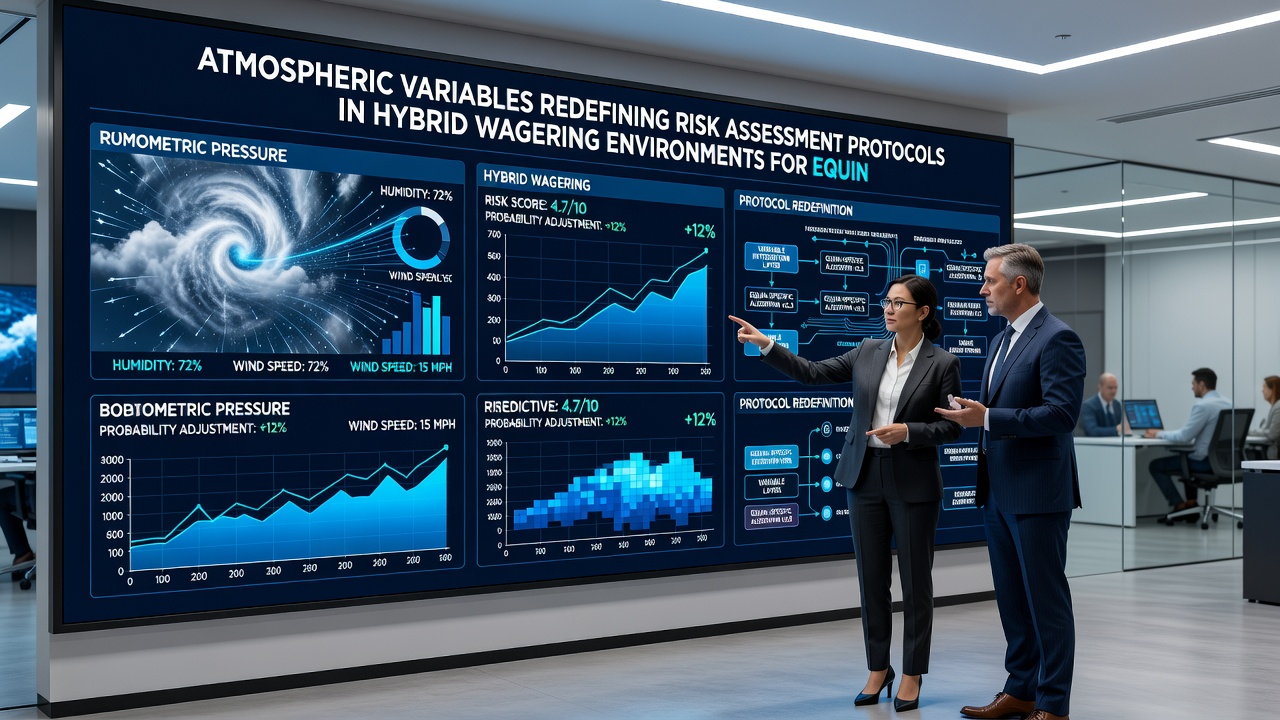
Player reaction times also vary with venue air quality and temperature, according to physiological monitoring conducted at major tournaments. When indoor conditions deviate from optimal ranges, cognitive performance metrics shift enough to alter match predictions, prompting hybrid platforms to layer environmental data onto their esports risk matrices alongside traditional statistical inputs.
Integration Across Hybrid Platforms
Platforms connecting equine and esports markets have developed unified protocols that treat atmospheric variables as cross-category risk factors. A single weather event can simultaneously affect track conditions for a live racing card while altering server farm efficiency for concurrent esports matches, creating correlated exposure that older models failed to capture. Operators now deploy centralized data pipelines that pull from sources including satellite imagery, ground sensors, and facility telemetry to generate unified probability adjustments.
Figures released in mid-2026 by Canadian gaming authorities indicate that platforms adopting these integrated approaches reduced variance in liability forecasts by approximately 11 percent during periods of unstable weather. The approach relies on machine learning layers that weigh atmospheric inputs against historical performance databases for both equine and digital competitions, producing real-time updates to stake limits and reserve requirements.
Regulatory and Technical Developments
Government agencies in multiple jurisdictions have begun requesting disclosure of atmospheric modeling methods as part of licensing renewals. The Australian Competition and Consumer Commission published guidance in July 2026 outlining expectations for transparency when environmental data influences consumer-facing odds. Meanwhile, technical standards bodies in the European Union have explored frameworks for validating sensor accuracy used in these systems, emphasizing traceability from raw meteorological readings to final risk outputs.
Industry reports from research groups such as those affiliated with the University of Nevada highlight ongoing work to standardize atmospheric variable weighting across different competition types. These efforts aim to create comparable benchmarks that operators can apply when managing blended portfolios containing both physical races and virtual tournaments.
Conclusion
Atmospheric variables continue to expand their role within risk assessment frameworks for hybrid equine and esports wagering, driven by accumulating performance data and infrastructure monitoring records through August 2026. Operators maintain these inputs through expanding sensor networks and algorithmic refinements, while regulatory bodies track implementation consistency across regions. The resulting protocols reflect measurable correlations between environmental conditions and outcome distributions in both domains.