Biometric Tracking Advancements Enabling Refined Probability Assessments in Endurance-Based Competitions Across Digital Platforms
Tina Frank · Jun 15, 2026
Biometric Tracking Advancements Enabling Refined Probability Assessments in Endurance-Based Competitions Across Digital Platforms
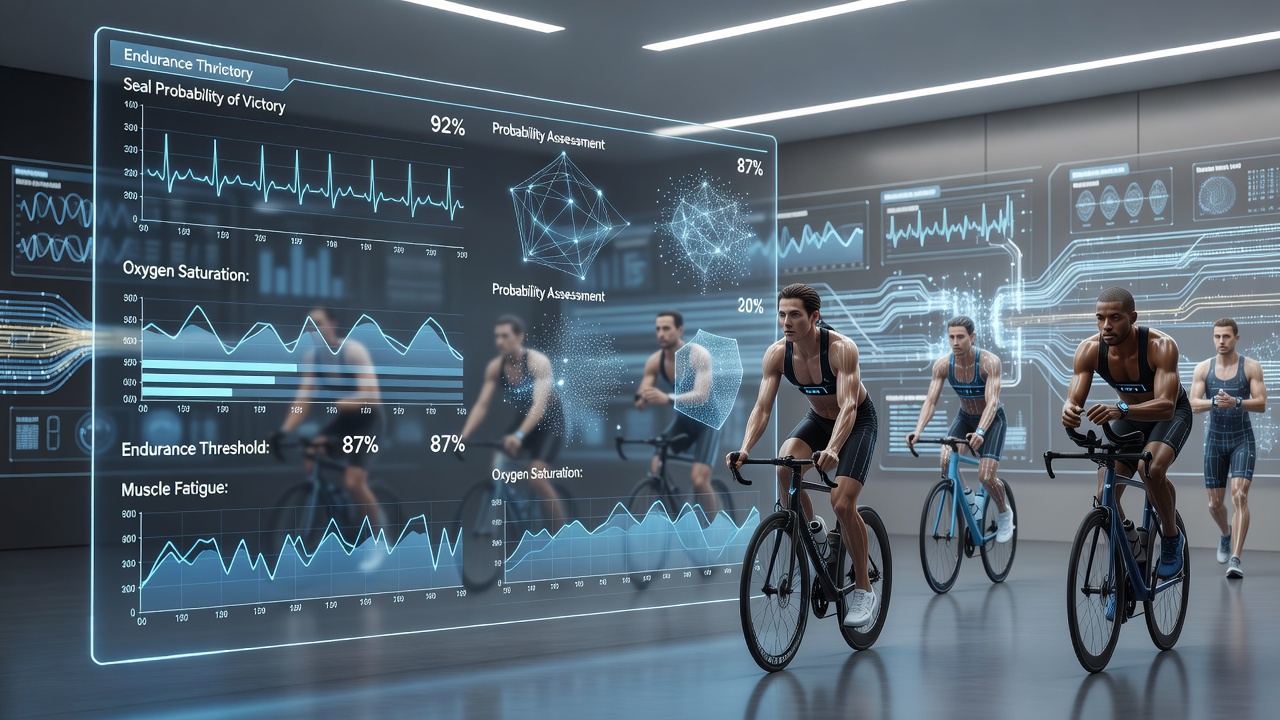
Endurance competitions on digital platforms have expanded rapidly since 2024, and biometric tracking systems now supply continuous streams of physiological data that support more accurate probability calculations for participant outcomes. Heart rate variability, oxygen saturation levels, and muscle activation patterns feed into algorithms that adjust projected finish times and success rates in real time during virtual marathons, cycling challenges, and multi-stage online events.
Core Technologies Driving Data Collection
Wearable devices equipped with multi-sensor arrays capture metrics at sub-second intervals, while GPS modules and accelerometers integrate location and movement data across global participant networks. These tools transmit information to centralized platforms where machine learning models process the inputs to generate updated probability distributions for race segments. Researchers at institutions such as the Australian Institute of Sport have documented how integration of electromyography sensors with standard heart rate monitors improves fatigue prediction accuracy by 18 percent in controlled virtual race simulations conducted through mid-2026.
Digital platforms host synchronized competitions that draw thousands of entrants from multiple continents, and the same biometric feeds allow organizers to calibrate difficulty adjustments dynamically. When a rider's power output drops below individualized thresholds during an online stage race, the system recalculates group placement odds without requiring manual intervention. This approach maintains competitive balance across skill levels while preserving the integrity of performance records.
Probability Modeling in Virtual Endurance Events
Probability assessments rely on historical biometric baselines combined with live readings to forecast performance windows. Models incorporate variables such as hydration trends derived from sweat rate estimates and thermal regulation data from skin temperature sensors. One study released by the American College of Sports Medicine in early 2026 examined 12,000 virtual triathlon finishes and found that inclusion of respiratory rate tracking reduced prediction error margins from 7.2 minutes to 4.1 minutes on average for the run segment.
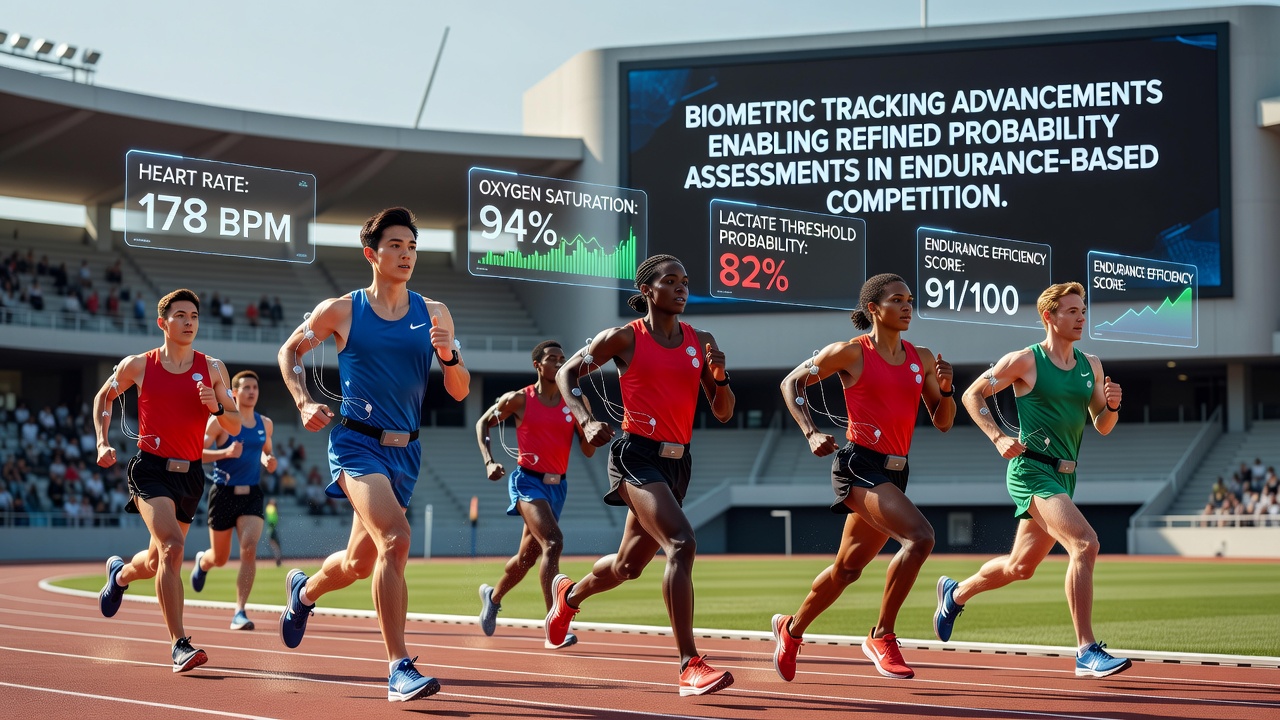
Event operators use these refined outputs to generate leaderboards that reflect not only elapsed time but also physiological efficiency scores. Participants receive immediate feedback on how current metrics align with projected completion probabilities, which encourages strategic pacing. In June 2026 several major platforms introduced standardized data protocols that allow third-party analytics providers to access anonymized biometric sets under controlled conditions, further expanding the range of modeling techniques applied to endurance forecasts.
Integration Across Global Digital Platforms
Cross-platform data sharing agreements have emerged between fitness application developers and virtual race organizers, enabling seamless transfer of user profiles and performance histories. This connectivity supports longitudinal tracking that spans multiple event types, from solo time trials to team relay formats hosted simultaneously across time zones. Observers note that standardized API frameworks reduce latency in probability updates, allowing models to refresh every 30 seconds during peak competition hours.
Regulatory bodies in the European Union and Canada have issued guidelines on data privacy that require explicit consent for biometric collection in competitive settings. Compliance with these frameworks has prompted platform developers to implement encryption layers and granular permission controls, ensuring participant information remains protected while still supporting advanced analytics. The result is a growing repository of validated datasets that researchers continue to mine for improved predictive variables.
Case Examples from 2025-2026 Seasons
During the 2025 virtual Ironman series, organizers incorporated continuous glucose monitoring alongside traditional metrics, and subsequent analysis showed tighter clustering around predicted finish times for athletes who maintained stable blood sugar levels. Similar patterns appeared in the 2026 online ultramarathon circuit, where altitude simulation features on digital platforms combined with pulse oximetry data produced probability curves that accounted for oxygen saturation drops at simulated elevations above 2,500 meters.
Academic teams have published peer-reviewed papers examining how biometric fusion techniques affect ranking stability in large-scale digital events. These publications highlight the role of ensemble modeling, where multiple algorithms vote on outcome likelihoods to mitigate single-source errors. Participants in these studies often report that transparent probability displays help them set realistic targets without external coaching input.
Future Trajectory of Biometric Integration
Hardware miniaturization continues to expand sensor placement options, including smart textiles that embed conductive threads for electrocardiogram readings during prolonged activity. Software updates scheduled for late 2026 aim to incorporate environmental data such as virtual wind resistance and course elevation profiles directly into the probability engines. This layered approach refines assessments further by accounting for external variables that interact with individual physiological responses.
Industry reports indicate steady growth in the number of sanctioned digital endurance events that mandate biometric verification for official results. Verification protocols compare live sensor signatures against registered baselines to confirm identity and detect anomalies that could skew probability calculations. Such measures support fair competition while generating richer datasets for ongoing model refinement.
Conclusion
Biometric tracking systems have become central to probability assessment frameworks in endurance competitions conducted on digital platforms. Continuous data streams from advanced sensors enable dynamic updates to performance forecasts, and expanding regulatory and technical standards continue to shape how these tools operate across international user bases. As hardware and modeling techniques evolve through 2026 and beyond, the precision of outcome predictions in virtual endurance events is expected to increase in line with documented research trajectories from multiple geographic regions.