How Algorithmic Models Process Historical Performance Metrics to Adjust Probabilities in Global Digital Combat Tournaments
Lars Franke · Aug 1, 2026
How Algorithmic Models Process Historical Performance Metrics to Adjust Probabilities in Global Digital Combat Tournaments
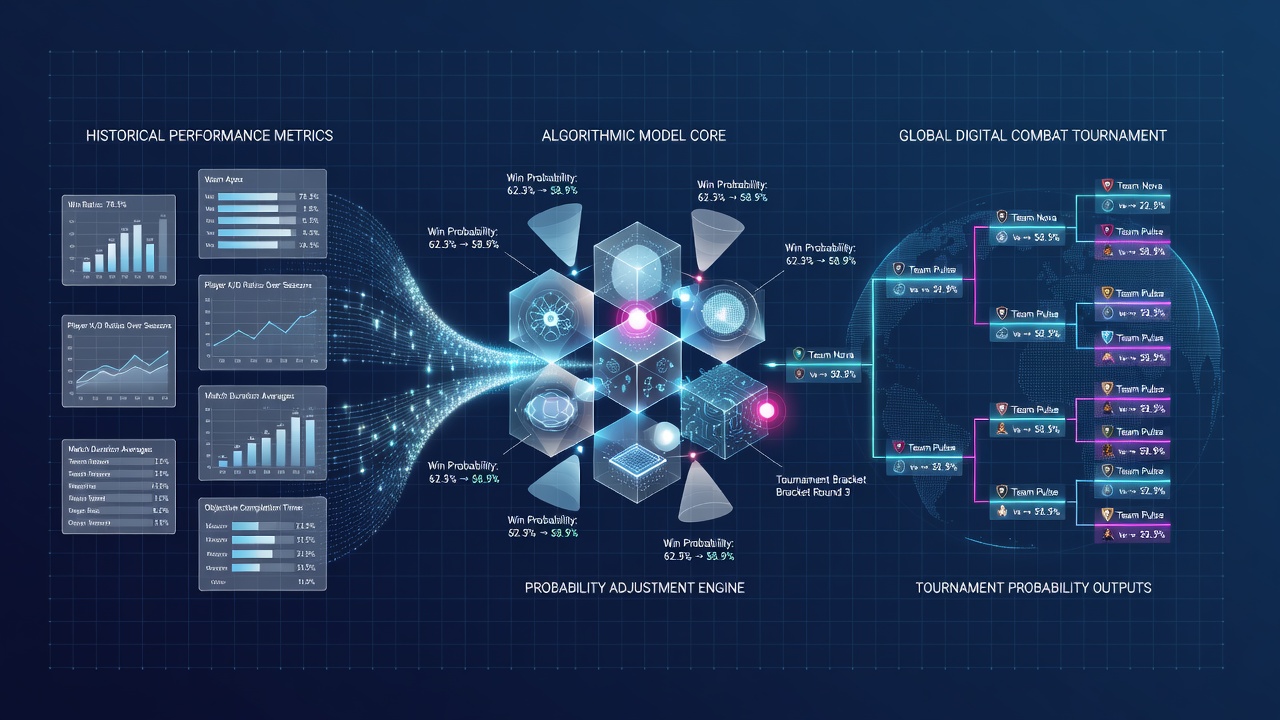
Global digital combat tournaments rely on algorithmic models that ingest vast datasets from past matches, and these systems refine probability outputs by analyzing patterns in player performance, match duration, and outcome frequencies. Researchers at institutions focused on computational gaming have documented how such models update their calculations in real time as new results arrive, while operators in regions like Australia and Canada track these adjustments to maintain competitive integrity across platforms.
Data Ingestion and Metric Selection
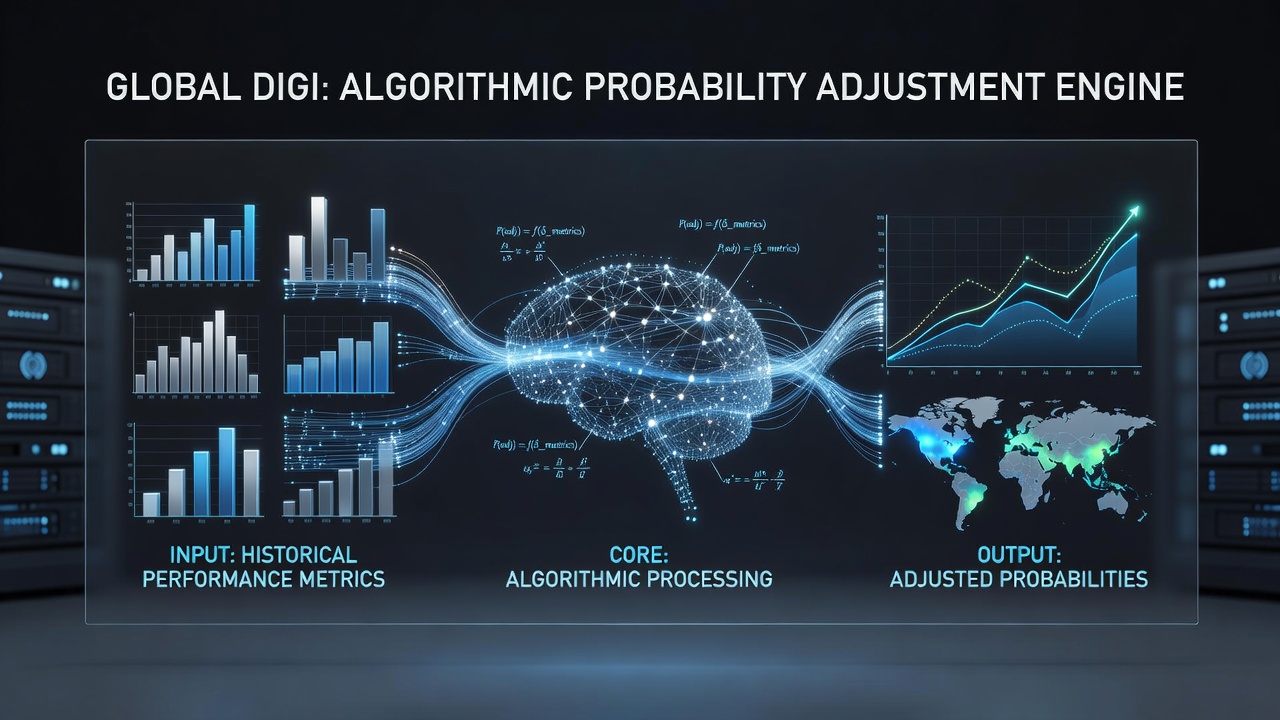
Models begin by pulling structured records from tournament servers, and these records include metrics such as kill-death ratios, reaction times measured in milliseconds, map-specific win rates, and team coordination scores derived from communication logs. Data collection spans multiple seasons so that seasonal variations, like shifts in strategy during summer events leading into August 2026, factor into baseline calculations. Observers note that systems prioritize high-frequency events first, then layer in rarer occurrences such as come-from-behind victories to avoid skewing results toward dominant players.
Model Architecture and Processing Steps
Once ingested, the information flows through layered neural networks that apply weighted transformations, and these transformations assign numerical values to each metric based on its correlation with final outcomes across thousands of prior matches. Engineers design the networks to handle non-linear relationships, so a player's strong early-game performance might carry different weight depending on the opponent's historical recovery patterns. Processing occurs in batches during off-peak hours, yet live feeds allow incremental updates that recalibrate probabilities between rounds without halting ongoing events.
Probability Adjustment Mechanisms
Adjustment happens through Bayesian updating procedures that treat prior match results as evidence, and each new data point modifies posterior distributions for upcoming fixtures. When a combatant demonstrates consistent improvement in accuracy under pressure, the model elevates that individual's projected success rate while simultaneously lowering estimates for opponents who have faced similar styles in the past. Figures from tournament organizers reveal that these recalibrations can shift projected odds by several percentage points within hours of a major upset, and the changes propagate across linked prediction engines used by global audiences.
Case Examples from Recent Tournaments
Take one major circuit event held in early 2026 where a previously mid-tier team recorded an unexpected series of victories, and the algorithmic system responded by increasing that squad's advancement probability from 18 percent to 41 percent within two days of data integration. Similar adjustments appeared during regional qualifiers in North America, where individual player fatigue metrics drawn from consecutive match logs prompted downward revisions for squads scheduled on back-to-back days. Those who've examined the outputs across platforms observe that models also incorporate external variables such as patch updates released by game developers, which alter the underlying mechanics and require rapid retraining on pre-patch versus post-patch datasets.
Validation and Regulatory Oversight
Independent audits conducted by research groups examine whether models maintain calibration over time, and these reviews compare predicted distributions against actual results from completed brackets. Regulatory bodies in the European Union and select Canadian provinces require periodic disclosure of the metrics and weighting schemes so that fairness standards remain consistent. Reports from these oversight entities indicate that discrepancies above set thresholds trigger mandatory model retraining cycles, ensuring that historical biases do not persist into future probability estimates.
Integration with Broader Tournament Ecosystems
Platforms distribute the refined probabilities through application programming interfaces that feed into spectator tools, team analytics dashboards, and third-party research portals. Academic studies published in journals covering artificial intelligence applications have examined how these integrations affect participant decision-making during draft phases, and the findings show measurable shifts in strategy selection when updated forecasts become available mid-tournament. As August 2026 approaches, several circuits plan expanded use of multi-modal data streams that combine video analysis with traditional statistical inputs, allowing models to detect subtle changes in movement patterns not captured by numeric logs alone.
Conclusion
Algorithmic models continue to evolve through iterative refinement of historical inputs, and the resulting probability adjustments support structured competition across expanding digital combat circuits. Continued documentation from academic and regulatory sources provides transparency into the underlying calculations while enabling operators to respond to emerging patterns in player and team performance.