How Supply Chain Disruptions in Gaming Hardware Reshape Access Patterns for Digital Athletic and Strategy Game Wagers
David Bennett · Aug 19, 2026
How Supply Chain Disruptions in Gaming Hardware Reshape Access Patterns for Digital Athletic and Strategy Game Wagers
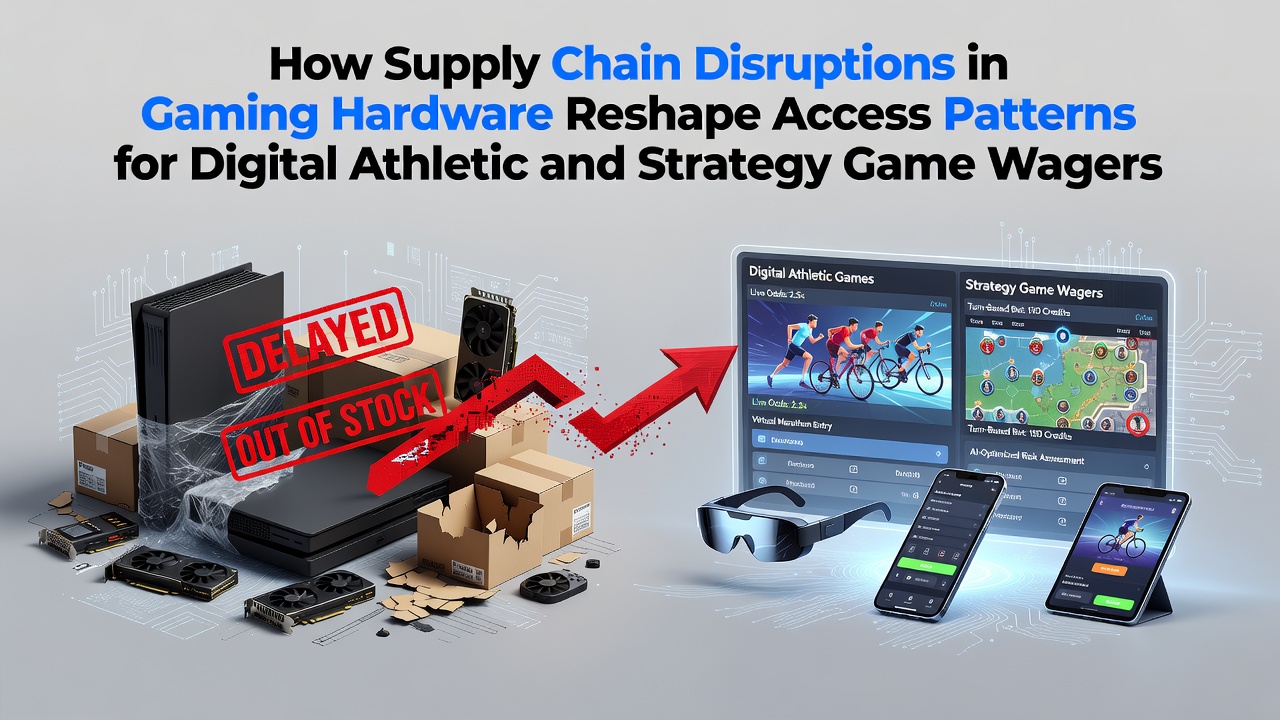
Supply chain disruptions in gaming hardware have continued to influence how participants reach digital platforms for wagering on athletic competitions and strategy games throughout 2026, with production delays for high-performance graphics processors and specialized consoles creating measurable shifts in user access methods. Manufacturers faced ongoing shortages of advanced semiconductors during the first half of the year, and those constraints carried forward into August when several fabrication facilities in Asia reported extended maintenance periods that further limited output of components essential for esports-grade machines.
Production Constraints and Hardware Availability
Industry data compiled by semiconductor tracking firms show that global GPU shipments for consumer gaming systems fell approximately 18 percent year-over-year in the second quarter of 2026, while console production volumes remained below pre-pandemic benchmarks in multiple regions. These shortfalls stem from concentrated manufacturing capacity in a limited number of facilities, where even minor logistical interruptions cascade into reduced availability of devices capable of running high-fidelity digital athletic titles at competitive frame rates. Researchers at the US Department of Commerce documented similar patterns across North American distribution networks, noting that retailers in metropolitan areas experienced stockouts lasting several weeks for mid-range graphics cards required by many strategy game environments.
Participants who previously relied on dedicated desktop setups began migrating toward mobile and cloud-streamed alternatives when hardware proved difficult to obtain or repair, and this transition altered the timing and volume of wagers placed on platforms hosting digital versions of athletic events such as simulated racing circuits or team-based arena competitions.
Changes in Platform Access and User Behavior
Access patterns for strategy game wagers, including turn-based titles and real-time tactical simulations, also reflected hardware scarcity because many enthusiasts historically used custom-built machines to maintain low-latency connections during live betting windows. When those machines became harder to upgrade or replace, users shifted toward browser-based interfaces and subscription streaming services that offload rendering to remote servers. Figures released by European gaming hardware distributors in July 2026 indicated a 27 percent increase in cloud-gaming subscriptions compared with the same period in 2025, while physical device sales in the same category declined.
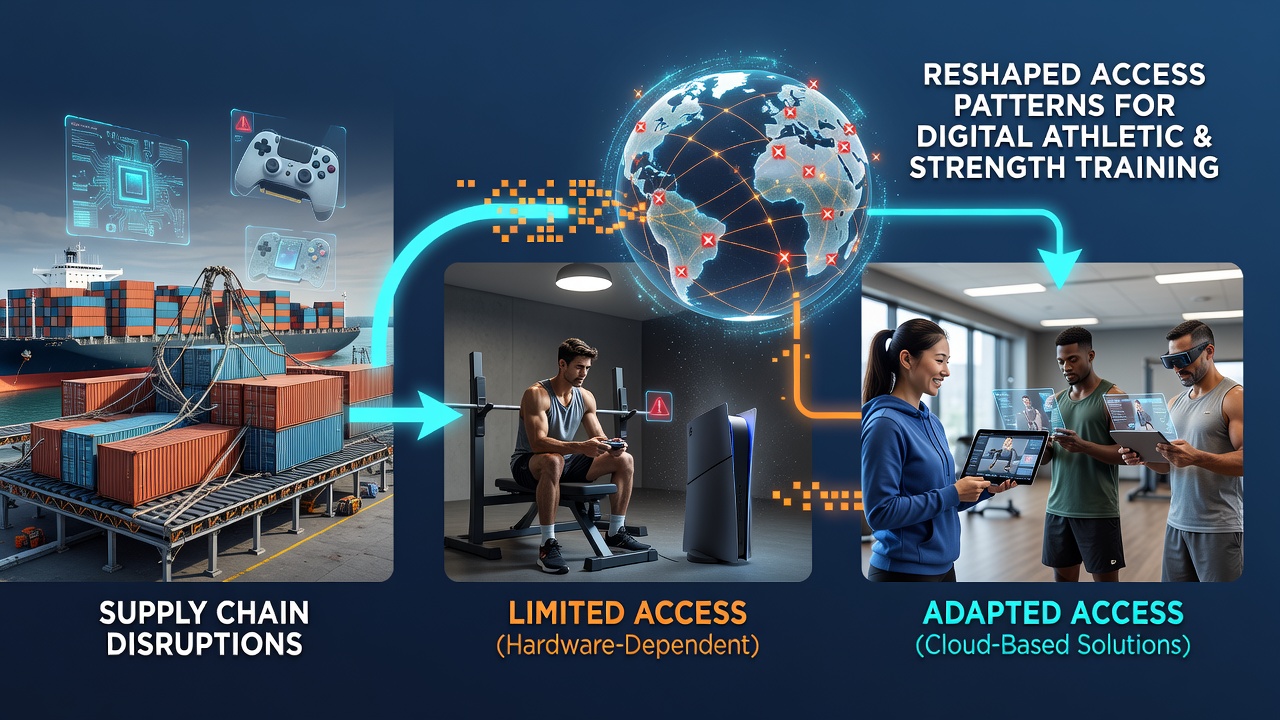
Those who study market data observe that the move toward mobile and streamed access produced distinct peaks in evening and weekend wagering activity, since portable devices often connect through shared household networks that experience congestion during peak hours. Observers note that latency-sensitive strategy game wagers, which reward rapid decision-making, sometimes migrated to earlier time slots or shorter session lengths when participants encountered variable connection quality on alternative hardware.
Regional Variations and Infrastructure Responses
Regional differences emerged clearly by August 2026. Markets in East Asia maintained steadier hardware supplies due to proximity to assembly plants, whereas operators in North America and parts of Europe reported sustained backlogs that encouraged greater reliance on integrated mobile applications. Trade reports from the European Commission Directorate-General for Internal Market highlighted how tariff adjustments on certain chip categories further influenced import volumes, prompting some betting platforms to prioritize development of lightweight client software that functions on older or lower-specification devices still in circulation.
Service providers responded by expanding server capacity for cloud-rendered sessions, and several major operators announced partnerships with telecommunications firms to guarantee minimum bandwidth thresholds for users engaged in live digital athletic wagers. These adjustments helped stabilize participation rates even as physical hardware remained constrained.
Conclusion
Supply chain limitations on gaming hardware have therefore redirected how individuals engage with digital platforms for athletic and strategy game wagers, favoring mobile, streamed, and browser-based channels over traditional high-end local machines. Data collected through the first eight months of 2026 demonstrate consistent geographic and temporal shifts in access timing, session duration, and device preferences, patterns that industry analysts continue to monitor as fabrication capacity evolves.