How Wearable Sensor Data Refines Performance Forecasts Across Marathon and Triathlon Wagering Markets
Lars Franke · Aug 24, 2026
How Wearable Sensor Data Refines Performance Forecasts Across Marathon and Triathlon Wagering Markets
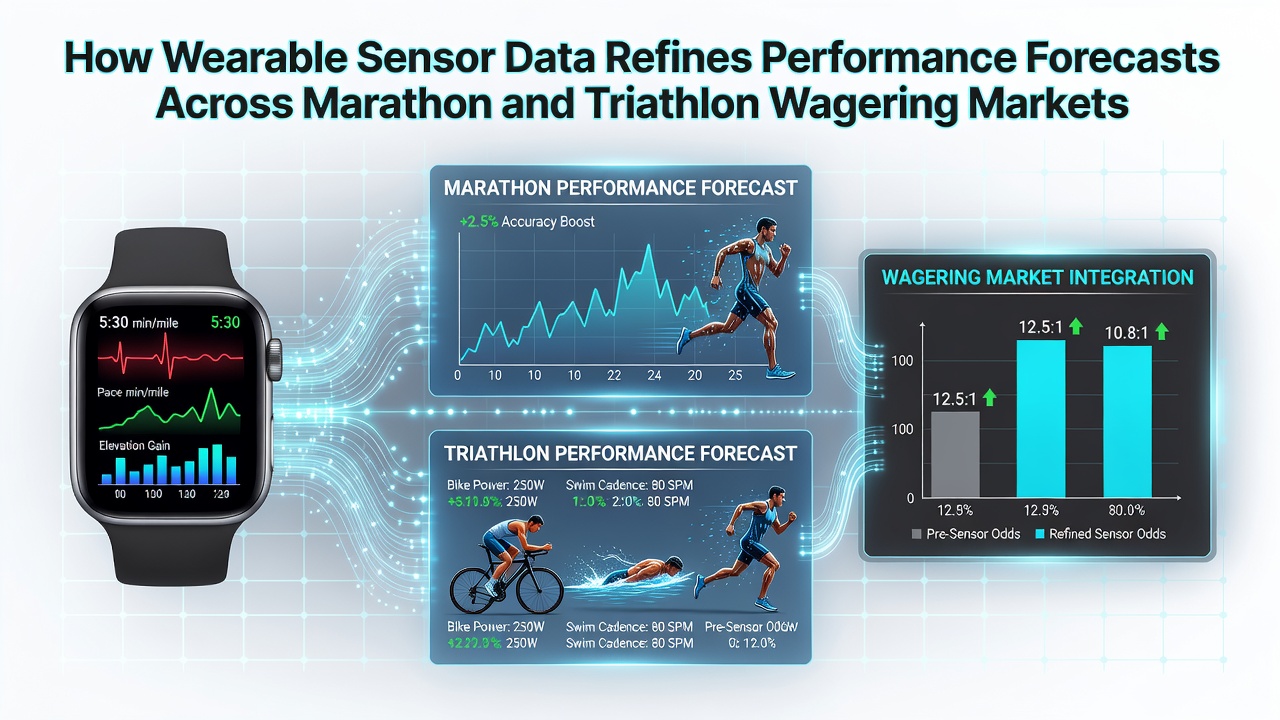
Endurance sports such as marathons and triathlons generate extensive physiological data through wearable devices, and operators in related wagering markets incorporate these streams to adjust performance models. Devices capture metrics including heart rate variability, cadence, power output, and core temperature, while platforms aggregate readings from athletes across multiple events. In August 2026, several major races reported increased integration of real-time sensor feeds into analytics dashboards used by odds compilers.
Sensor Technologies and Data Streams
Modern wearables from manufacturers like Garmin and Polar transmit continuous data via Bluetooth and cloud connections, whereas advanced units add muscle oxygen saturation and stride length measurements. Researchers at the Australian Institute of Sport have documented how these inputs create individualized baselines for elite competitors. Data shows that combining GPS positioning with accelerometer readings allows precise calculation of pacing efficiency over varied terrain, and triathlon segments require separate modeling for swim, bike, and run phases because each discipline produces distinct physiological signatures.
Operators feed historical sensor archives into machine learning algorithms that generate probability distributions for finish times. These distributions feed directly into market pricing, and bookmakers update lines when new training blocks reveal deviations from established patterns. One dataset compiled across 2025 events indicated that athletes wearing multi-sensor arrays produced forecasts with reduced variance compared to those relying solely on past race results.
Application in Marathon Markets
Marathon betting volumes have grown in regions where sports wagering operates under clear regulatory frameworks, and sensor-derived forecasts help differentiate between contenders in large fields. Analysts examine pre-race training loads to identify overreaching patterns that correlate with late-race slowdowns. For example, elevated resting heart rates sustained over consecutive weeks have preceded performance drops in multiple documented cases at major city marathons.
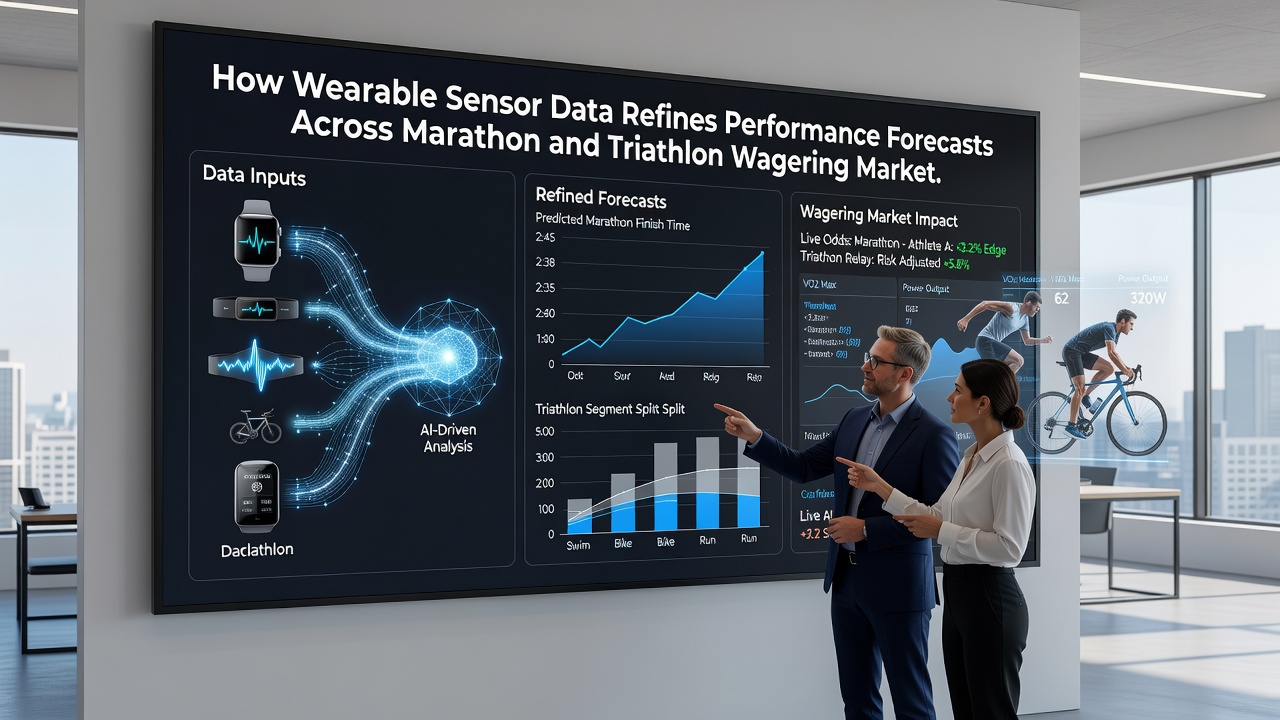
Market makers adjust propositions such as sub-three-hour finish odds and head-to-head matchups when sensor trends indicate improved recovery metrics or emerging fatigue signals. Studies published in the International Journal of Sports Physiology and Performance demonstrate that incorporating power-duration curves refines time predictions by measurable margins, particularly in the final 10 kilometers where cumulative load effects become pronounced.
Triathlon Forecasting Adjustments
Triathlon events introduce additional complexity because transitions and equipment choices influence overall outcomes, yet wearable data bridges these variables through consistent biometric tracking. Power meters on bicycles record wattage sustainability across courses, while swim-specific devices capture stroke rate and efficiency in open water. Observers note that athletes who maintain stable heart rate zones during the bike leg often sustain stronger run splits, and this relationship appears consistently in aggregated race files.
Platforms offering triathlon-specific markets use these layered inputs to recalibrate implied probabilities after each training cycle. In August 2026, several Ironman-branded events saw last-minute line movements following public release of aggregated training data from professional squads. Regulatory bodies in Australia and Canada have examined how such granular information flows into consumer-facing betting products without crossing into prohibited insider categories.
Market Implications and Data Integration
Wagering operators integrate sensor outputs through third-party analytics providers that normalize data across device brands and athlete cohorts. This standardization enables cross-event comparisons that were previously unavailable when relying on subjective coach reports or limited race splits. Evidence from endurance federations indicates that forecast accuracy improves when models account for environmental factors such as heat index alongside individual physiological responses captured by wearables.
Those who study these markets observe that liquidity concentrates around events with high sensor adoption rates among top competitors. Smaller regional races with limited wearable penetration continue to rely more heavily on traditional statistical baselines. Academic reviews from institutions in the European Union highlight ongoing work to quantify exactly how much predictive lift derives from each additional sensor channel.
Conclusion
Wearable sensor integration continues to expand across marathon and triathlon calendars, supplying operators with richer datasets for performance modeling. As device penetration grows and standardization improves, wagering markets tied to these disciplines incorporate increasingly granular forecasts. Regulatory oversight in multiple jurisdictions monitors these developments to maintain clear boundaries around data usage, while research institutions track correlations between biometric trends and competitive outcomes.