Regulatory Adjustments in Emerging Jurisdictions Reshaping Blended Wagering on Handheld Devices
Lars Franke · Aug 19, 2026
Regulatory Adjustments in Emerging Jurisdictions Reshaping Blended Wagering on Handheld Devices
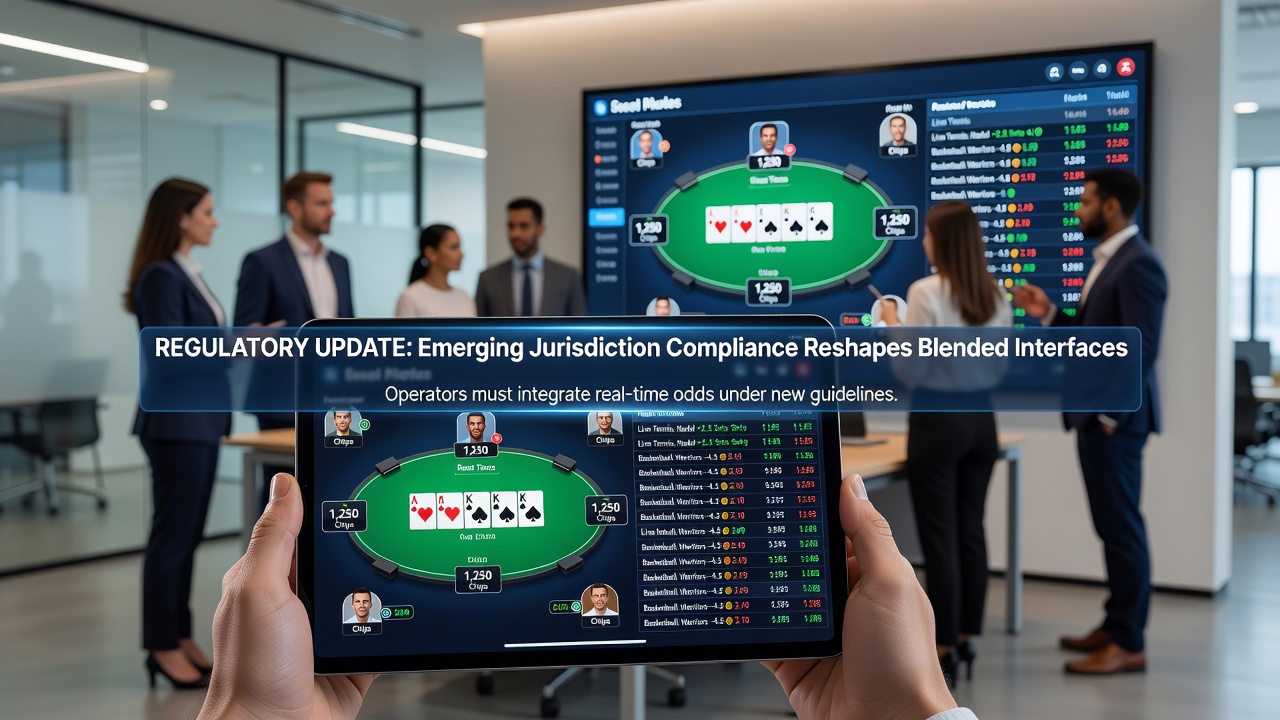
Regulatory adjustments across several emerging jurisdictions have begun to influence how operators combine real-time athletic odds with poker tournament interfaces on handheld systems, particularly as new licensing categories and data-handling rules take effect in August 2026. Markets in Latin America and parts of Southeast Asia have introduced frameworks that distinguish between pure sports betting, skill-based card play, and hybrid mobile products, which forces platforms to segment features or obtain multiple approvals before launch.
These changes stem from efforts to clarify tax obligations, protect consumers through responsible gaming tools, and address concerns about simultaneous live-event wagering alongside multi-table poker sessions on the same device. Data from regional trade groups shows that operators must now demonstrate clear separation between probability engines for athletic events and those governing poker outcomes, even when both appear within a single application.
Frameworks Emerging in Latin American Markets
Brazil and Colombia have updated their licensing processes to require dedicated modules for blended interfaces, while Mexico continues to evaluate similar proposals through its federal gaming authority. Operators report that applications now include detailed flow diagrams illustrating how users switch between live football odds and sit-and-go poker events without triggering cross-contamination of betting ledgers. Compliance teams have responded by building modular back-end systems that allow regional toggles for feature availability based on local statutes.
One study released in mid-2026 by an academic research consortium tracking South American igaming noted a 17 percent increase in multi-jurisdictional license applications compared with the prior year. The same analysis highlighted that handheld platforms face additional scrutiny around geofencing precision and real-time age verification when athletic odds and poker tournaments run concurrently.
Southeast Asian Adjustments and Mobile Requirements
Further east, regulators in the Philippines and Vietnam have issued guidance that treats integrated sports-and-poker applications as distinct products requiring separate reporting on user deposit patterns and session durations. Platforms must log whether a player accessed athletic odds during an active poker hand, because certain jurisdictions now impose session-time caps that differ depending on the dominant activity type. This distinction has prompted software vendors to develop timestamped activity trackers that feed directly into compliance dashboards.

Industry observers note that these rules have accelerated the adoption of cloud-based microservices, allowing operators to activate or deactivate specific wagering types without redeploying entire applications. The result is a more granular control layer that aligns with each market's current stance on combined interfaces.
Operator Responses and Interface Redesigns
Operators active in these regions have begun redesigning mobile navigation to present clear toggles between live athletic markets and scheduled poker tournaments. Research indicates that users in regulated test markets show higher retention when the interface displays distinct balance ledgers for each vertical, reducing confusion during simultaneous events. Several major platforms now embed jurisdiction-specific rule engines that adjust available features based on SIM card location and IP address at session start.
According to figures released by the Asia Pacific Gaming Association, handheld blended products accounted for roughly 28 percent of new operator submissions in the first half of 2026, up from 19 percent the previous year. This shift reflects both market demand and the need to satisfy evolving compliance checklists that treat real-time odds feeds and poker tournament servers as separate risk categories.
Technological and Data Implications
The technical architecture required to meet these standards typically involves segregated random-number generators and independent audit trails for each vertical. While athletic odds rely on external data feeds updated every few seconds, poker tournament logic depends on internal deck-shuffling algorithms and player-action timestamps. Regulators in the examined jurisdictions have requested that these two data streams remain logically isolated even when presented on the same screen, which has led developers to implement containerized environments within mobile operating systems.
Additional requirements around responsible gaming have introduced mandatory pop-up interventions when users attempt to place an athletic wager while seated at a virtual poker table for extended periods. These prompts draw from unified session data yet must respect the distinct regulatory definitions of each product type.
Looking Ahead
Stakeholders anticipate that further refinements will emerge as more jurisdictions publish detailed implementation guidelines before the end of 2026. Platforms that have already invested in flexible compliance layers report smoother approval cycles, while those relying on monolithic codebases face longer review periods. The pattern suggests that regulatory clarity in emerging markets continues to drive incremental architectural changes rather than wholesale product overhauls.
Conclusion
Regulatory adjustments in emerging jurisdictions continue to shape the technical and operational landscape for operators seeking to deliver combined real-time athletic odds and poker tournament experiences on handheld systems. As frameworks mature through the remainder of 2026, the emphasis remains on modular design, precise data segregation, and jurisdiction-aware feature controls that satisfy local licensing conditions without disrupting user experience across borders.