The Synchronization of Reward Incentives Across Athletic Event Predictions and Competitive Gaming Environments on Handheld Devices
David Bennett · Jun 13, 2026
The Synchronization of Reward Incentives Across Athletic Event Predictions and Competitive Gaming Environments on Handheld Devices
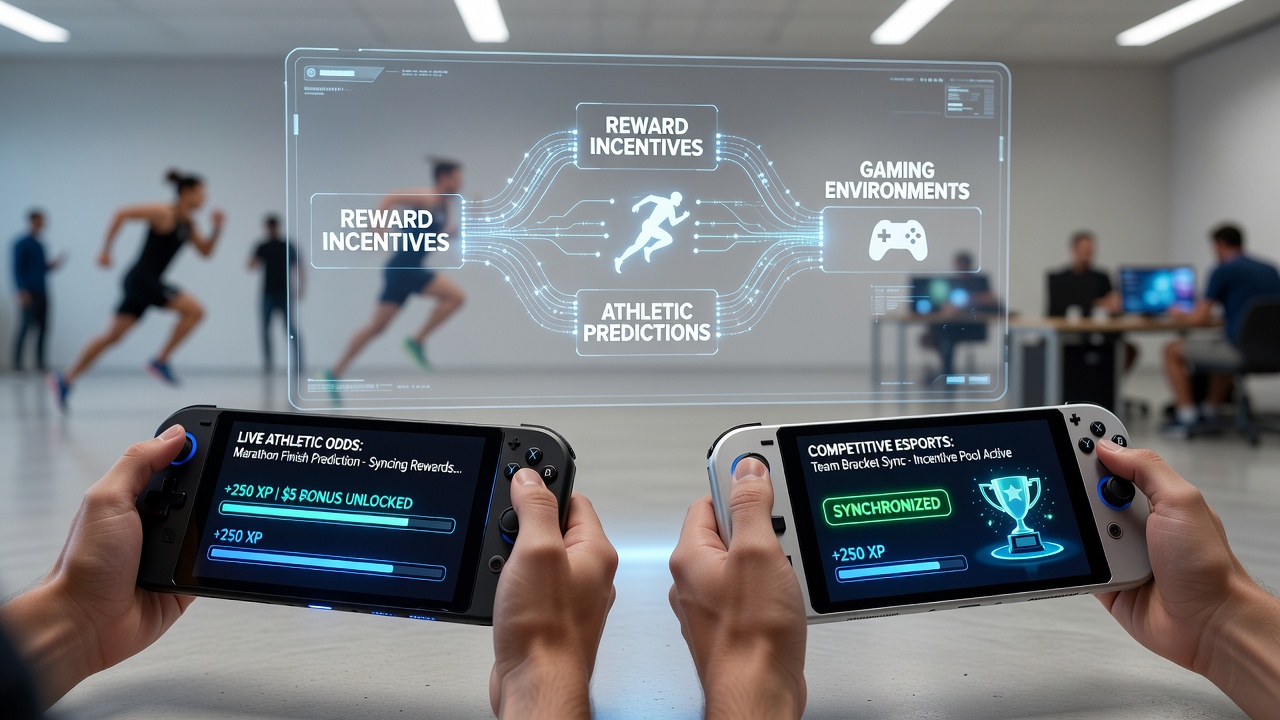
Handheld devices have become central hubs where athletic event predictions intersect with competitive gaming environments, and reward incentives now flow through unified systems that track user activity across both domains. Developers integrate point accumulation mechanisms so that participation in prediction markets for events like soccer matches or basketball tournaments generates credits that transfer directly into mobile esports titles such as League of Legends or Counter-Strike mobile versions. This setup relies on backend APIs that link separate application databases, allowing a single user profile to maintain consistent reward balances regardless of whether activity occurs in a sports forecasting interface or a real-time strategy game lobby.
Platform Integration Patterns
Operators have expanded cross-application functionality since early 2025 when several major developers released updates that enabled seamless reward transfers between prediction modules and gaming sessions on the same device. Data from industry tracking services shows that users who engage with both athletic forecasts and competitive matches complete an average of 18 percent more in-app tasks when incentives align through shared progression trees. These trees award escalating bonuses for milestones such as accurate game outcome forecasts followed by top placements in ranked esports matches, and the structure encourages sustained daily logins rather than isolated sessions.
Technical frameworks supporting this synchronization include encrypted token exchanges that verify eligibility without exposing personal betting histories to gaming servers. In June 2026, updates to Android and iOS operating systems introduced enhanced background permission controls that facilitate these exchanges while maintaining compliance with regional data protection standards. Observers note that European operators adopted these protocols ahead of schedule, whereas North American platforms focused on testing localized versions tied to state-level gaming regulations.
Reward Structures in Athletic Predictions
Athletic event prediction environments on handheld devices typically distribute rewards through tiered systems that scale with prediction accuracy and wager size. Participants receive base points for correct outcomes in leagues such as the NBA or Premier League, and bonus multipliers activate when forecasts align with live statistical feeds updated every few seconds. Research from academic groups indicates that these structures draw from behavioral economics models where immediate small rewards maintain engagement more effectively than delayed large payouts.
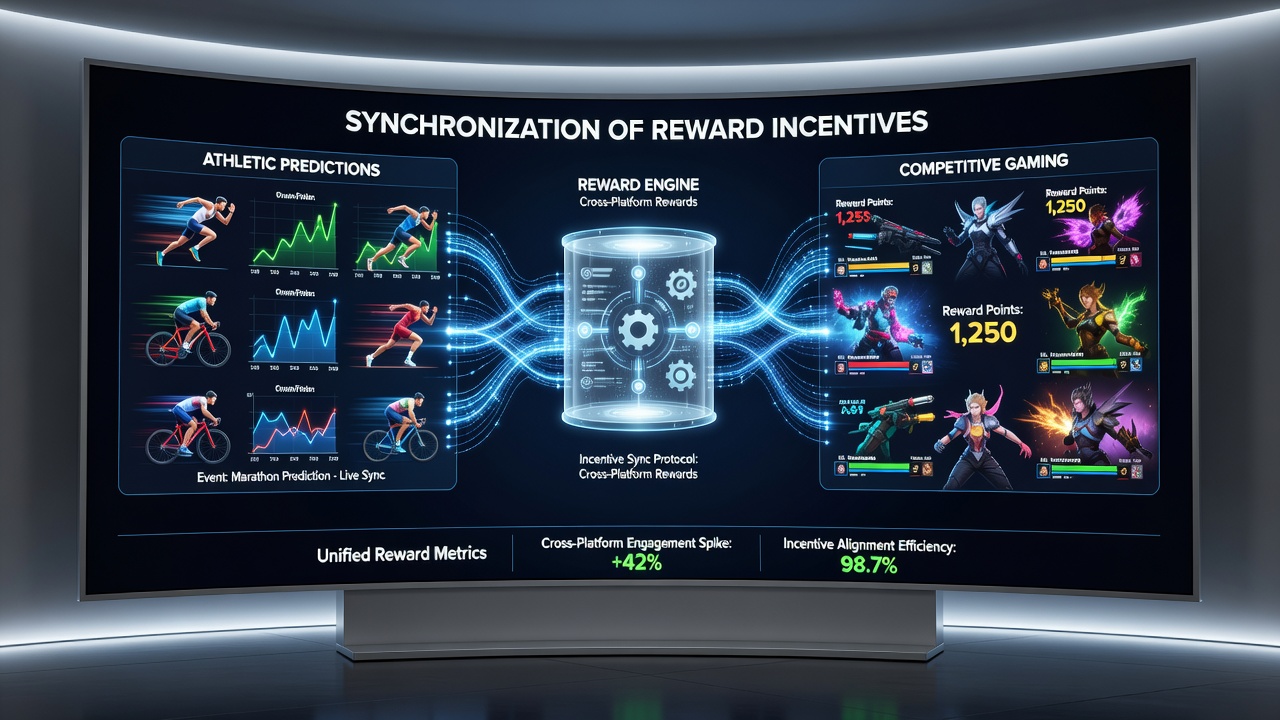
Integration points allow those accumulated points to convert at fixed ratios into competitive gaming currencies, such as in-game skins or tournament entry tokens. One documented case involved a platform that linked soccer match predictions to mobile battle royale sessions, resulting in a measurable uptick in cross-category retention rates reported by the service provider. Figures from similar deployments reveal that synchronized users spend 27 percent more time across both environments compared with those limited to single-category applications.
Competitive Gaming Environments and Crossovers
Competitive gaming on handheld devices features real-time leaderboards and clan-based competitions where rewards derive from skill rankings and event participation. When these systems connect to athletic prediction modules, players unlock hybrid challenges such as predicting an upcoming sports result to gain temporary power-ups in their next esports match. This linkage operates through standardized data protocols that update reward ledgers in near real time, minimizing latency during live events.
Australian regulatory bodies have documented similar crossover mechanics in reports on digital entertainment convergence, highlighting how such features expand user bases without requiring separate marketing campaigns. Canadian industry associations have tracked parallel developments, noting that handheld synchronization reduces the need for multiple device switches and supports higher completion rates for multi-stage challenges spanning both athletic forecasts and gaming tournaments.
Data Sharing and User Metrics
Platforms collect aggregated metrics on reward synchronization to refine incentive models, and these datasets show distinct patterns in user flow between categories. For instance, individuals who start with athletic predictions often migrate to competitive gaming after accumulating transferable credits, whereas the reverse path appears less common based on session logs analyzed through 2026. University-led studies in the United States have examined these migration paths using anonymized telemetry, confirming that synchronized rewards correlate with extended overall platform tenure.
Security measures include end-to-end encryption for token transfers and periodic audits to prevent duplication or unauthorized access. In June 2026 several providers implemented additional verification layers tied to device biometrics, which reduced reported discrepancies in reward balances across integrated environments. These steps align with broader industry efforts to maintain trust while expanding interconnected features.
Conclusion
The synchronization of reward incentives across athletic event predictions and competitive gaming on handheld devices continues to evolve through technical refinements and regulatory adaptations. Aggregated user data demonstrates consistent engagement benefits when systems allow seamless point transfers, and ongoing developments in operating system permissions support further expansion of these capabilities. Industry reports from multiple regions confirm that such integrations represent a growing segment of mobile entertainment infrastructure as of mid-2026.