Tracing Data Pathways from Equine Performance Metrics to Multiplayer Strategy Game Odds in Unified Digital Wagering Environments
Tina Frank · Jul 11, 2026
Tracing Data Pathways from Equine Performance Metrics to Multiplayer Strategy Game Odds in Unified Digital Wagering Environments
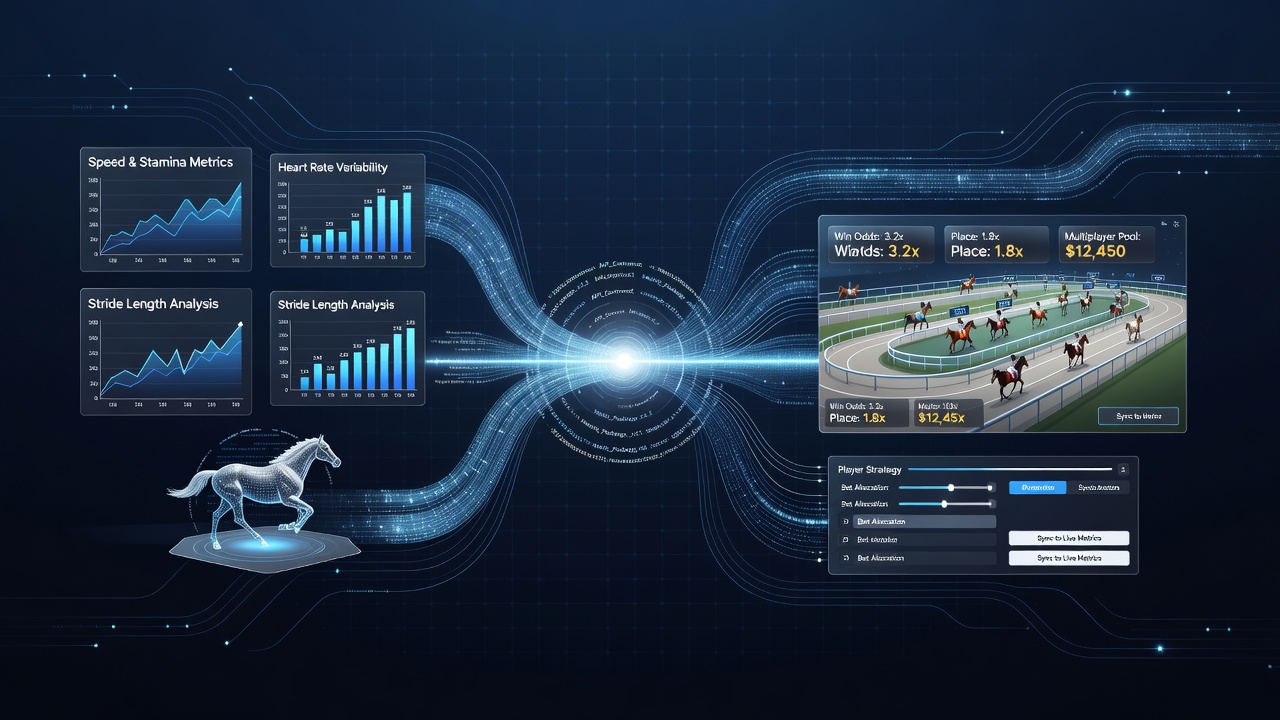
Unified digital wagering environments now connect equine performance metrics with multiplayer strategy game odds through shared data pipelines that process speed records, recovery intervals, and historical race outcomes alongside player decision trees and real-time match statistics. These systems emerged as operators expanded platforms beyond traditional sports into integrated digital formats where algorithms cross-reference datasets from different competition types.
Equine Performance Data Collection Methods
Trackside sensors and wearable devices capture equine metrics including stride length, heart rate variability, and post-race lactate levels while centralized databases store results from thousands of races each season. Researchers at institutions focused on animal performance have documented how these inputs feed into predictive models that adjust probabilities for upcoming events and the same infrastructure supports transfer of refined datasets to other wagering categories when platforms unify their backend systems.
Operators in July 2026 reported increased integration of equine records with non-traditional betting products as regulatory frameworks in multiple regions allowed licensed entities to expand product offerings under single licenses. Data flows from racetracks through application programming interfaces directly into central risk engines that recalculate odds across categories without manual intervention at each step.
Pathways to Multiplayer Strategy Game Environments
Multiplayer strategy games such as turn-based tactical competitions and real-time decision simulations generate their own performance indicators including win rates under varying conditions, response times, and resource allocation efficiency. When unified platforms merge these datasets with equine metrics, algorithms identify correlations between physical endurance patterns in horses and cognitive stamina patterns in human players that influence final odds calculations.
One study from the University of Sydney examined how machine learning models trained on equine recovery data improved accuracy when applied to strategy game fatigue modeling while similar approaches appear in commercial systems that link historical race databases to tournament archives. These connections allow odds compilers to adjust lines dynamically based on cross-category signals rather than isolated inputs from each vertical.
Unified Platform Architecture and Data Sharing
Modern wagering platforms employ cloud-based architectures that store equine and strategy game data in partitioned yet accessible repositories where compliance officers monitor flows to meet jurisdictional requirements. In July 2026 several operators demonstrated live demonstrations of these pathways during industry conferences showing how a single user account could place wagers on both a thoroughbred event and a multiplayer esports title while backend systems updated probabilities from shared analytics layers.
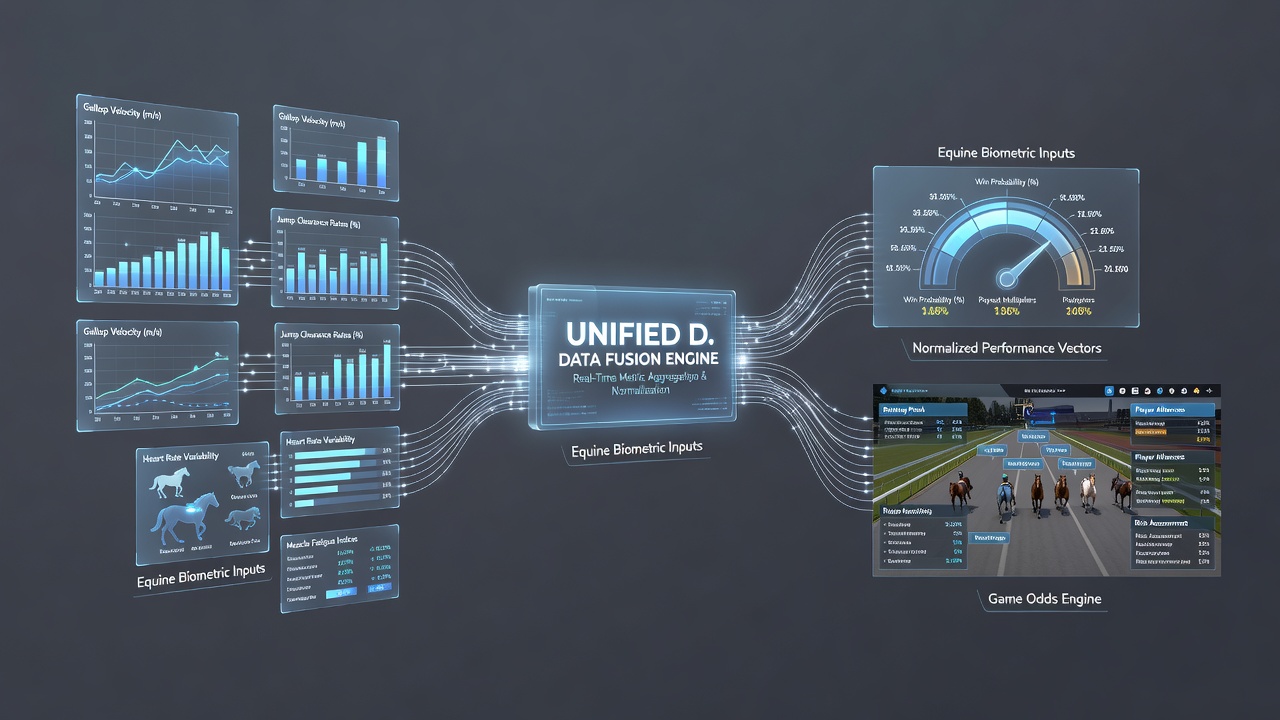
European regulatory bodies including the Malta Gaming Authority have issued guidance on data interoperability standards that encourage secure sharing across product types while Canadian provincial regulators have examined similar frameworks for their licensed markets. The pathways rely on standardized data formats that preserve individual competition integrity yet permit aggregate statistical analysis across domains.
Odds Adjustment Mechanisms
Odds engines apply weighted variables from equine datasets such as track condition impacts and jockey performance histories when recalibrating strategy game lines that depend on team coordination metrics and historical upset frequencies. This cross-pollination creates situations where a strong performance trend in one area influences reserve calculations in another without direct causal links between the underlying events.
Industry reports from the European Gaming and Betting Association indicate that unified environments handled increasing volumes of cross-product activity during the first half of 2026 with data pathways enabling faster settlement processes across categories. Observers note that these mechanisms require continuous validation to prevent unintended propagation of errors from one dataset into unrelated odds.
Conclusion
Data pathways between equine performance metrics and multiplayer strategy game odds continue to evolve within unified digital wagering environments as operators refine integration techniques and regulators establish clearer interoperability rules. The infrastructure developed by mid-2026 supports expanded product ranges while maintaining separate risk profiles for each competition type. Future developments will likely focus on enhanced validation protocols that preserve accuracy across these interconnected systems.